


Die LED-Display-Branche entwickelt sich weiter, da Marken eine bessere Klarheit fordern, sanftere Bewegung, und stärkere visuelle Wirkung. Infolge, High-Refresh-LED-Displays werden mittlerweile weithin als Premium-Werbeoption beworben, Rundfunk, und Eventanwendungen. Dieser Trend wirft eine wichtige Frage auf: Bemerken Verbraucher tatsächlich den Unterschied zwischen High-Refresh- und Standard-LED-Displays?? Die Antwort liegt in der visuellen Wissenschaft, Benutzerwahrnehmung, und betriebliche Leistung. Wenn diese Elemente kombiniert werden, Sie prägen die Art und Weise, wie das Publikum digitale Inhalte in kommerziellen Umgebungen interpretiert.
Bildwiederholfrequenz und ihre visuellen Auswirkungen verstehen
Die Aktualisierungsrate definiert, wie oft eine LED-Anzeige das Bild pro Sekunde aktualisiert. Standard-LED-Displays laufen oft mit 1920 Hz, während High-Refresh-LED-Anzeigen 3840 Hz oder sogar 7680 Hz überschreiten. Obwohl die Zahlen technisch erscheinen, Die visuellen Konsequenzen sind erheblich. Die Bildwiederholfrequenz beeinflusst die Stabilität, Glätte, und Klarheit, insbesondere wenn Zuschauer sich schnell bewegende Inhalte sehen oder den Bildschirm mit einer Kamera aufzeichnen. Weil LED-Werbetafeln in dynamischen Umgebungen funktionieren, Eine stabile Bildwiederholfrequenz sorgt unabhängig von den Betrachtungsbedingungen für eine konsistente Darstellung.
Warum High-Refresh-LED-Anzeigen flüssiger aussehen
High-Refresh-LED-Displays sorgen für flüssigere Bewegungen, da der Bildschirm häufiger aktualisiert wird. Bewegungsunschärfe nimmt ab, feine Strukturen bleiben sichtbar, und Übergänge erscheinen sauberer. Obwohl gelegentliche Zuschauer die technische Ursache möglicherweise nicht erkennen, Sie spüren die Verbesserung. Ihre Augen fühlen sich wohler, und ihre Aufmerksamkeit bleibt auf den Inhalt gerichtet. Darüber hinaus, Bildschirme mit hoher Bildwiederholfrequenz reduzieren das Bildflimmern, was bei hellem Licht stärker auffällt LED-Werbetafeln für den Außenbereich Betrieb unter Sonnenlicht oder nachts. Flimmern lenkt nicht nur den Betrachter ab, sondern verringert auch die wahrgenommene Qualität der digitalen Werbetafel.
Verbrauchersichtbarkeit: Subtile, aber kraftvolle Unterschiede
Die meisten Verbraucher können verbal nicht zwischen Bildwiederholfrequenzen von 1920 Hz und 3840 Hz unterscheiden. Jedoch, Ihr Gehirn erkennt den visuellen Komfort unbewusst. Wenn zwei Displays nebeneinander angezeigt werden, Zuschauer bevorzugen durchweg Optionen mit hoher Bildwiederholfrequenz. Sie beschreiben das Bild als „klarer,” „Stabiler,„oder „mehr Premium“. Diese Eindrücke sind wichtig, da der Augenkomfort die Verweildauer beeinflusst, und die Verweildauer beeinflusst die Werbewirkung. daher, Selbst geringfügige Leistungsunterschiede führen in realen Kampagnen zu aussagekräftigen Ergebnissen.
Kamerabasierte Betrachtung: Wo High-Refresh offensichtlich ist
Verbraucher betrachten Bildschirme zunehmend durch Smartphone-Linsen. Sie nehmen Konzerte auf, Straßeninhalte erfassen, und fotografieren Verkaufsdisplays. Standard-LED-Displays erzeugen bei Aufnahmen häufig Scanlinien oder Flackern. Diese Artefakte reduzieren die Markenpräsenz nach der Veranstaltung, da der erfasste Inhalt verzerrt erscheint. High-Refresh-LED-Displays beseitigen diese Probleme, da der Bildschirm schnell genug aktualisiert wird, um sich an die Verschlusszeiten der Kamera anzupassen. Infolge, Hochaktuelle LED-Werbetafel-Displays Liefern Sie sauberes Filmmaterial, das den Wert der Live-Werbung über das unmittelbare Publikum hinaus steigert.
Farbstabilität und feine Detailwiedergabe
Mehr als nur Bewegungsleistung, Die Bildwiederholfrequenz beeinflusst die Detailwiedergabe. High-Refresh-LED-Bildschirme sorgen auch bei schnellen Übergängen für eine präzise Farbwiedergabe. Die Schatten bleiben konsistent, Highlights bleiben kontrolliert, und Farbverläufe werden reibungslos wiedergegeben. Standard-LED-Displays haben manchmal Probleme mit subtilen Farbveränderungen, insbesondere in Szenen mit wenig Licht. Werbeinhalte mit Hauttönen, Luxusprodukte, oder Hintergründe mit vielen Farbverläufen profitieren stark von der High-Refresh-Technologie, da Betrachter Farbpräzision mit Produktqualität assoziieren.
Leistung in professionellen Umgebungen
Professionelle Anwendungen erfordern eine überragende Bildleistung. Rundfunkstudios, virtuelle Produktionssets, Kontrollräume, und Kommandozentralen verlassen sich auf klar, stabile Optik. Denn Kameras und Sensoren sind beteiligt, Die Bildwiederholfrequenz wird kritisch. Hochaktuelle LED-Displays lassen sich nahtlos in professionelle Filmausrüstung integrieren, Dadurch werden klarere Linien erzeugt und Rolling-Shutter-Effekte eliminiert. Infolge, Produktionsteams vermeiden Herausforderungen bei der Nachbearbeitung. Der Arbeitsablauf wird effizienter, und der endgültige Inhalt behält eine hohe Wiedergabetreue bei.
Auswirkungen auf Außenwerbung und große Veranstaltungsorte
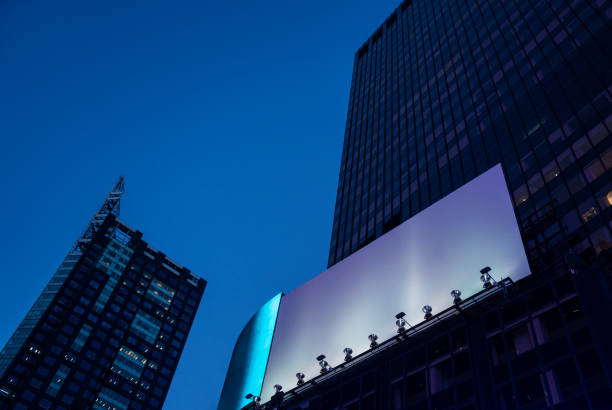
LED-Werbetafeln für den Außenbereich funktionieren in belebten Umgebungen voller Bewegung, Umgebungslicht, und wechselndes Wetter. Zuschauer sehen oft Werbetafeln von fahrenden Fahrzeugen. In diesen Situationen, Standard-LED-Anzeigen zeigen Bewegungsartefakte, die die Klarheit beeinträchtigen. High-Refresh-LED-Displays sorgen für eine klare Sicht, auch wenn der Betrachter mit hoher Geschwindigkeit fährt. Folglich, Werbetreibende profitieren von einer stärkeren Nachrichtenübermittlung bei unterschiedlichen Betrachtungsbedingungen. Klare Eindrücke führen zu höheren Konversionsraten und einer erhöhten Markenbekanntheit.
Benutzerengagement und psychologischer Einfluss
Der Mensch reagiert von Natur aus auf visuelle Stabilität. Glatte Bilder fördern eine längere Betrachtungszeit und ein stärkeres emotionales Engagement. Flimmern oder Unschärfe führen zu visueller Ermüdung, was dazu führt, dass die Zuschauer früher wegschauen. Hochaktuelle LED-Bildschirme Erweitern Sie das „komfortable Sichtfenster“. Dieser Effekt ist besonders wichtig bei LED-Displays im Einzelhandel oder bei LED-Videowänden im Innenbereich, bei denen die Zuschauer nahe am Bildschirm stehen. daher, High-Refresh-Modelle unterstützen eine bessere Benutzereinbindung und bessere Marketingergebnisse.
Vergleich von Langzeitleistung und Zuverlässigkeit
High-Refresh-LED-Displays enthalten in der Regel höherwertige Treiber-ICs und fortschrittlichere Verarbeitungssysteme. Diese Komponenten verbessern nicht nur die Leistung, sondern auch die Haltbarkeit. Stabile Fahrsignale reduzieren die Belastung der LEDs, Verlängerung der Display-Lebensdauer. Zusätzlich, Fortschrittliche Steuerungssysteme verwalten die Wärme effektiver, Gewährleistung einer konstanten Helligkeit und Farbe im Laufe der Zeit. Obwohl High-Refresh-Bildschirme anfangs mehr kosten, Sie bieten den Besitzern gewerblicher LED-Bildschirme oft langfristig einen besseren Wert.
Energieverbrauch und Systemeffizienz
Allerdings scheint die Bildwiederholfrequenz vom Stromverbrauch abhängig zu sein, Moderne LED-Displays mit hoher Bildwiederholfrequenz verwenden effiziente Treiber, die für einen niedrigen Energieverbrauch sorgen. Fortschrittliche Steueralgorithmen optimieren Schaltmuster und reduzieren unnötige Leistungsspitzen. Infolge, Unternehmen profitieren von einer verbesserten Leistung ohne wesentlich höhere Betriebskosten. Diese Effizienz ist wichtig für große LED-Werbetafeln im Außenbereich, die kontinuierlich betrieben werden und erhebliche Stromkosten verursachen.
Miete, Auf Tour, und Event-Anwendungen
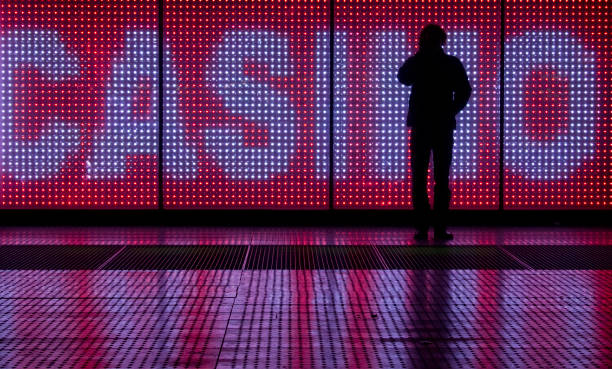
Der Markt für Miet-LED-Displays zeigt den größten Unterschied zwischen Standard- und High-Refresh-Technologie. Konzerte, Feste, Sportveranstaltungen, und Ausstellungen sind stark auf Kameraaufzeichnungen und -übertragungen angewiesen. Standarddisplays erzeugen bei Bühnenbeleuchtung und Kameras mit hoher Bildrate sichtbares Flimmern. Dieses Flackern beeinträchtigt die Produktionsqualität und verringert die Zufriedenheit des Publikums. Miet-LED-Displays mit hoher Bildwiederholfrequenz lösen diese Probleme, indem sie in jedem Szenario stabile Bilder liefern. Folglich, Veranstalter bevorzugen High-Refresh-Lösungen für professionelle Ergebnisse.
Bemerken Verbraucher den Unterschied?? Eine realistische Einschätzung
Verbraucher bemerken Unterschiede in drei Schlüsselsituationen:
• Direkter Vergleich – High-Refresh-Displays sehen flüssiger und raffinierter aus.
• Kameraaufnahme – Standardanzeigen zeigen Flimmern und Scanlinien.
• Zeitrafferszenen – High-Refresh-Modelle sorgen für Klarheit.
Obwohl viele Benutzer diese Beobachtungen möglicherweise nicht technisch artikulieren, Sie bevorzugen instinktiv das Display, das sich komfortabler und hochwertiger anfühlt. daher, Die Verbraucherwahrnehmung favorisiert auch ohne technische Kenntnisse eindeutig High-Refresh-LED-Displays.
Kosten-Nutzen-Überlegungen für Käufer
Käufer müssen die Projektziele bewerten, erwartete Nutzung, Inhaltliche Anforderungen, und Markenpositionierung. Hochaktuelle LED-Werbetafeln bieten einen Mehrwert für den Einzelhandel, Sport, Ereignisse, Studios, und große öffentliche Einrichtungen. Standard-LED-Anzeigen Befriedigen Sie die Grundbedürfnisse nach statischen Inhalten oder Szenen mit begrenzter Bewegung. Jedoch, denn die Erwartungen der Zuschauer steigen weiter, Unternehmen setzen zunehmend auf High-Refresh-Modelle, um wettbewerbsfähig zu bleiben. Die zusätzliche Investition führt zu einer höheren visuellen Wirkung und besseren langfristigen Marketingergebnissen.
Abschluss: High-Refresh-Displays schaffen echte Vorteile
Hochaktuelle LED-Displays sorgen für flüssigere Bewegungen, reduziertes Flimmern, sauberere Aufnahmen, und besseres Benutzerengagement. Obwohl Verbraucher die Technologie möglicherweise nicht immer verstehen, Sie bemerken den verbesserten Sehkomfort und die Klarheit. Diese Vorteile stärken die Werbewirksamkeit, Erhöhen Sie die Sichtbarkeit Ihrer Marke, und die langfristige Systemzuverlässigkeit verbessern. Für Unternehmen, die erstklassige Leistung bei LED-Werbetafeln suchen, High-Refresh-Technologie bietet einen messbaren Wettbewerbsvorteil. Es verbessert das Seherlebnis, unterstützt stärkeres Storytelling, und entspricht den sich verändernden Erwartungen des modernen Publikums.
