


Bei der Installation eines LED -Werbebildschirms für Ihr Storefront planen, Gebäude, oder Veranstaltung, you immediately encounter a complex pricing landscape. Market quotes range from thousands to tens of thousands per square meter, creating confusion and uncertainty.
Common concerns include:
- Overpaying due to market unfamiliarity
- Choosing inadequate products that fail to deliver expected results
- Hidden costs emerging during usage, increasing expenses
This guide serves as your comprehensive procurement advisor, bereitstellen 2025 pricing intelligence and revealing the logic behind quotations. We’ll help develop optimal procurement strategies ensuring maximum budget efficiency.
Inhaltsverzeichnis
UmschaltenPre-Purchase Analysis: Defining Key Requirements
Usage Scenarios and Environment
Environmental factors significantly impact technology selection and cost structure:
Outdoor Requirements:
- Minimum 5000 nits brightness for sunlight visibility
- IP65 or higher protection rating
- Enhanced cooling systems for heat management
- Specialized housing materials and circuit design
Beispiel: Urban billboards require high-brightness displays to ensure visibility to vehicles and pedestrians during midday sun.
Indoor Requirements:
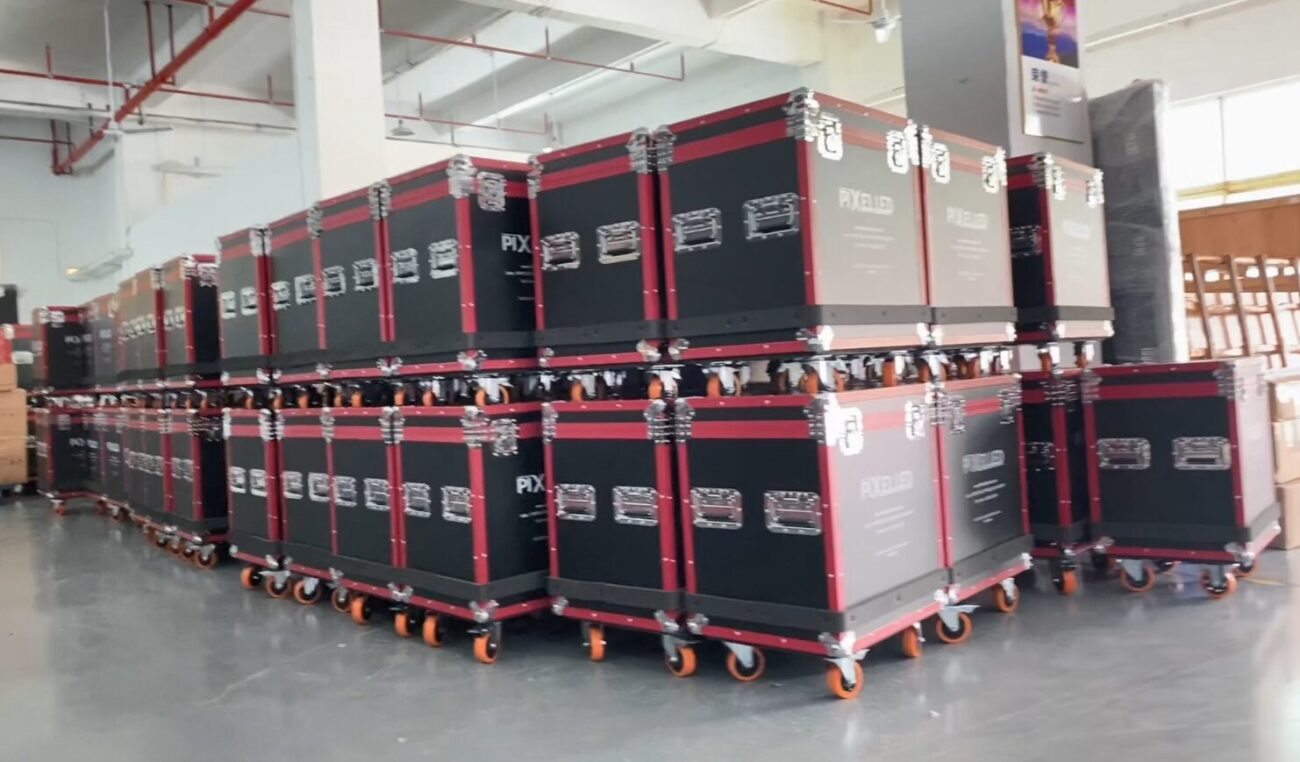
LED -Anzeige, Preisgestaltung
- 1000-2000 nits brightness sufficient
- IP40 protection rating adequate
- Leicht, open-structure designs
- Standard thermal management
Audience and Viewing Distance
Pixel pitch selection directly affects clarity and cost:
Key Formula: Viewing Distance (M) ≈ P Value (mm) × (2-3)
Practical Applications:
- 20m viewing distance: P6-P8 optimal
- 3-5m viewing distance: P1.5-P2.5 necessary
Erinnern: Overspecifying pixel pitch for long-distance viewing wastes resources without visible improvement.
Display Content Requirements
Content type determines performance needs:
Static Content:
- 60Hz-120Hz refresh rate sufficient
- Lower grayscale levels acceptable
Dynamic/Interactive Content:
- ≥384Hz refresh rate recommended
- 16-bit+ grayscale essential
- Higher color reproduction requirements
Budget Considerations
Understand Total Cost of Ownership (TCO) einschließlich:
Initial Investment:
- Control systems (sender cards, software)
- Power distribution cabinets
- Structural framework and mounting
- Cabling and connectivity
Long-term Costs:
- Maintenance and repairs
- Energy consumption
- Spare parts inventory
- Software updates
Technical Factors Influencing Pricing
Pixel -Tonhöhe: Clarity vs Cost Balance
Pixel -Tonhöhe (P value) determines resolution and optimal viewing distance:
| Pixel -Tonhöhe | Viewing Distance | Suitable Applications |
|---|---|---|
| P1.2-P1.5 | 2.4-4.5M | Broadcast studios, Kommandozentren |
| P1.8-P2.0 | 3.6-6.0M | Premium retail, Ausstellungen |
| P2.5-P3.0 | 5.0-9.0M | Meeting rooms, hotel lobbies |
| P4.0-P6.0 | 8.0-18.0M | Outdoor billboards, event venues |
Für die Spitze: Match pixel pitch to actual viewing distance to avoid unnecessary costs.
Brightness and Protection Standards
Environmental adaptability significantly impacts pricing:
Outdoor Specifications:
- 5000-10000 nits brightness
- IP65+ waterproof rating
- Enhanced cooling systems
- Weather-resistant materials
Indoor Specifications:
- 1000-2000 nits brightness
- IP40 protection sufficient
- Standard thermal management
Core Components Quality
Component selection creates price differentiation:
LED Chips:
- International brands (Cree, Nichia): Premium performance, higher cost
- Taiwan brands (Epistar): Balanced performance, medium cost
- Domestic brands: Cost-effective, improving quality
Driver ICs:
- High refresh rates (≥3840Hz)
- Energy efficiency features
- Stability and reliability factors
Cabinet Materials:
- Die-cast aluminum: Leicht, precise, higher cost
- Sheet metal: Cost-effective, suitable for fixed installations
Brand Value Proposition
Market segmentation affects pricing and quality:
International Top Brands:
- Advanced R&D capabilities
- Global service networks
- Premium pricing with guaranteed performance
Domestic First-tier Brands:
- Strong technical capabilities
- Competitive pricing
- Comprehensive local support
Regional Brands:
- Variable quality standards
- Local market focus
- Mixed service capabilities
Feature Configuration
Select features based on actual needs:
Essential Features:
- Thermal management systems
- Basic control functionality
- Standard connectivity
Optional Features:
- HDR enhancement
- 3D capability
- Interactive touch
- Energy-saving modes
Erinnern: Avoid paying for unnecessary features that won’t be utilized.
Product Type Variations
Different applications have distinct cost structures:
Fixed Installation:
- Durable construction
- Higher installation costs
- Lower maintenance requirements
Rental Displays:
- Lightweight materials
- Rapid deployment features
- Higher transportation costs
Creative Designs:
- Custom engineering
- Specialized installation
- Premium pricing
2025 Market Price Reference
Outdoor Full-Color Displays
| Pixel -Tonhöhe | Anwendungen | Price Range (CNY/m²) |
|---|---|---|
| P6-P5 | Highway advertising | 4,000-6,000 |
| P4-P3 | Commercial districts | 6,000-9,000 |
| P2.5 | Storefront displays | 9,000-13,000 |
Indoor Full-Color Displays
| Pixel -Tonhöhe | Anwendungen | Price Range (CNY/m²) |
|---|---|---|
| P2.5-P2.0 | Conference rooms | 7,000-10,000 |
| P1.8-P1.5 | Luxury retail | 10,000-15,000 |
| P1.2 below | Broadcast studios | 15,000+ |
Hidden Cost Considerations
System Costs
- Control systems: 500-5000 CNY
- Stromverteilung: 2000-8000 CNY
- Cabling and connectivity: Variable
Structural Costs
- Steel framework: 200-1000 CNY/m²
- Mounting brackets: Included
- Climate control systems: 1000-10000 CNY
Service Costs
- Transportation: Distance-based
- Installation: 10-20% of project cost
- Specialized installation: Additional fees
Long-term Expenses
- Wartung: 5-10% annually
- Energy consumption: Significant variable
- Spare parts: 1000-10000 CNY inventory
Five-Step Procurement Methodology
1. Requirements Definition
- Determine specific parameters
- Consider environmental factors
- Establish usage patterns
- Set performance expectations
2. Supplier Evaluation
- Review project portfolios
- Verify certifications (ISO9001, CE, Rohs)
- Conduct factory inspections
- Assess technical capabilities
3. Quotation Analysis
- Request detailed breakdowns
- Clarify ambiguous items
- Compare component quality
- Evaluate total cost of ownership
4. Sample Validation
- Test grayscale performance
- Verify refresh rates
- Check flatness and uniformity
- Assess color accuracy
5. Service Agreement
- Define warranty terms
- Establish response times
- Clarify repair costs
- Set performance guarantees
Implementation Strategy
Immediate Actions
- Complete requirement assessment
- Develop budget framework
- Identify qualified suppliers
- Request detailed proposals
- Compare technical solutions
Professional Support Available
- Technical consultation
- Custom solution design
- Budget planning assistance
- Supplier recommendations
Special Offers
- Bulk purchase discounts
- Extended warranty options
- Priority technical support
- Customized payment terms
Abschluss
Successful LED display procurement requires:
- Clear requirement definition
- Understanding of technical factors
- Comprehensive cost analysis
- Careful supplier selection
- Long-term service planning
Contact XVisual experts for personalized consultation and competitive quotations tailored to your specific project requirements.
