


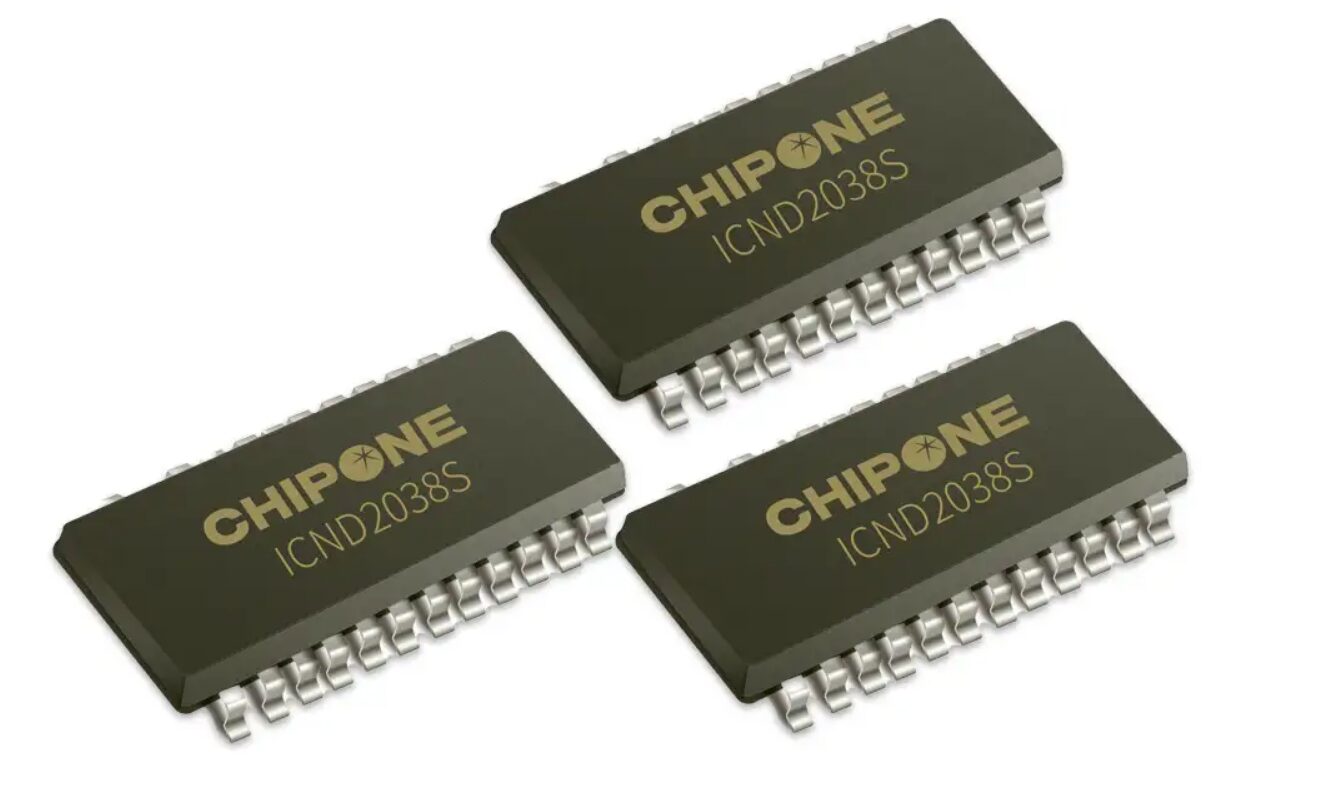
Detrás de las pantallas LED, El controlador de pantalla LED IC juega un papel indispensable, acting as the screen’s “command center” that directly controls refresh rate performance. For professional users in the U.S. market, understanding LED display driver ICs and their impact on refresh rate is crucial, as it directly affects the overall performance and visual experience of display devices. The LED display driver IC precisely manages each pixel to ensure stable and efficient image display, while the refresh rate determines the smoothness of dynamic content. This article delves into the core function of the LED display driver IC and how it enables high refresh rates, empowering you to make more informed choices. Recordar, grasping these concepts helps us all avoid common pitfalls in display technology.
Tabla de contenido
PalancaWhat is an LED Display Driver IC?
An LED display driver IC is a compact yet powerful chip whose primary task is to precisely control every pixel on the screen, ensuring clear and consistent image output. Imagine it as a bridge connecting the control interface to the display panel, processing data, managing pixel illumination, and efficiently rendering patterns, videos, and other information.
Without it, modern high-definition LED display technology simply wouldn’t exist. Here’s the key point: the driver IC is the foundation for stable display operation. Remember this crucial step—it’s where everything starts for reliable visuals.
Why is the driver IC so crucial?
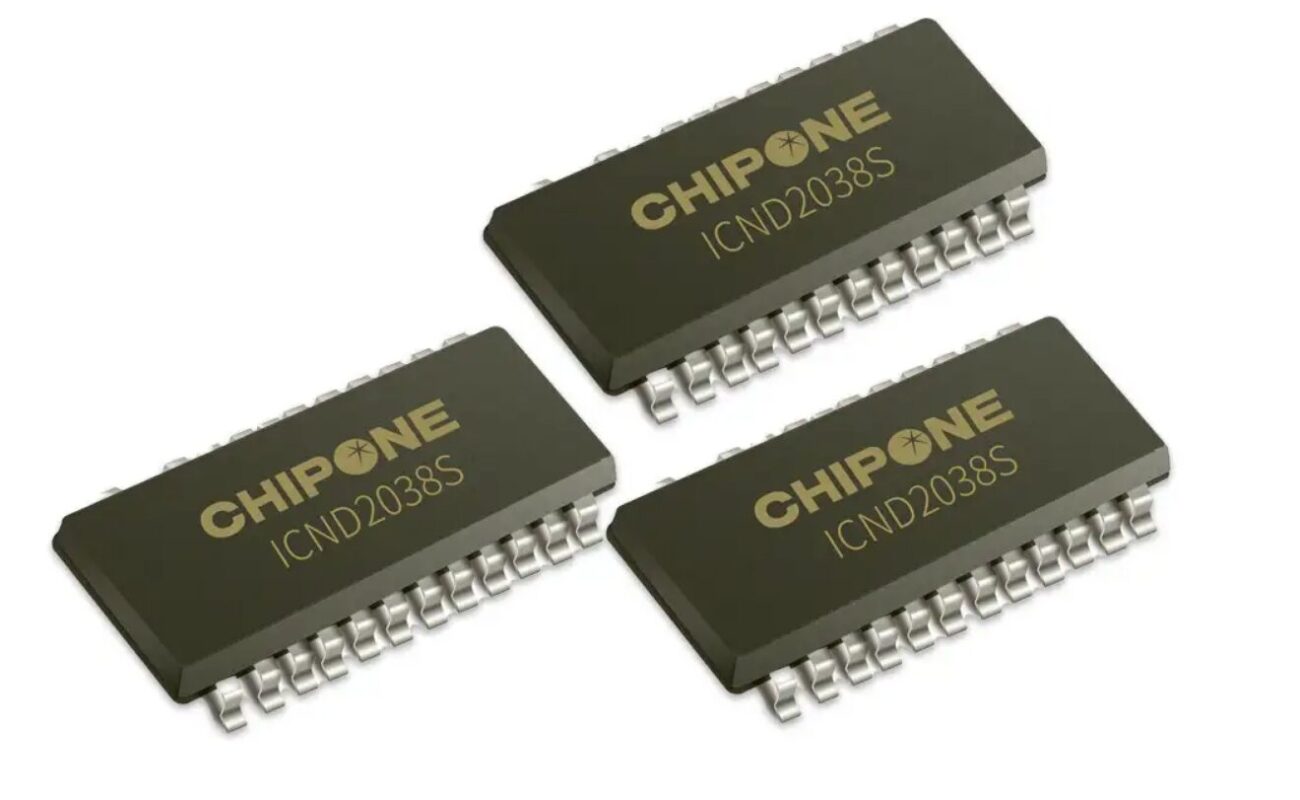
Controlador de pantalla LED IC Controlador de pantalla LED IC
The driver IC profoundly impacts every aspect of an LED display’s performance, from image quality to reliability. Without it, screens may flicker, distort, or even suffer premature failure. Recuerda este punto clave: selecting a high-quality driver IC significantly enhances display performance.
We can all avoid headaches by choosing the right IC from the start. Don’t be fooled by specs alone—the real magic happens inside that tiny chip.
Pixel Control and Brightness Management
Driver ICs precisely adjust individual pixel values and brightness levels, ensuring uniform color across the screen. This prevents patchy or inconsistent visuals, delivering a harmonious and natural display.
Don’t be fooled by brightness specs—true uniformity stems from the driver IC’s precise control. Here’s the core: fine-tuning each pixel makes all the difference in image quality.
Enhancing Display Reliability
By providing stable current output, driver ICs prevent LED flickering, dimming, or premature burnout. Current stability is key to extending LED lifespan, and we can all avoid pitfalls by opting for advanced ICs.
Think of it as a safeguard—stable current means fewer failures and longer-lasting displays. This is a critical step for reliability.
Supporting High Refresh Rates
Low refresh rates cause flicker and motion blur, but driver ICs support high refresh rates for smooth transitions and reduced ghosting. This is crucial for dynamic scenes like sports events or concerts, delivering seamless visual experiences.
High refresh rates make fast action look natural and reduce eye strain. Recordar, for live events, this is non-negotiable.
Ensuring Color Depth and Gray Scale Accuracy
Driver ICs supporting higher color depths and gray scale levels (P.EJ., 16-poco) enable richer, more nuanced color reproduction. This hallmark of professional-grade displays ensures image details remain undistorted.
Rich colors and accurate grayscales bring images to life. This is where driver ICs show their true power.
Types of LED Display Driver ICs
Driver ICs are categorized into several main types based on functionality and application scenarios. Selecting the appropriate type optimizes performance and reduces costs.
Choosing the right type can save you money and boost performance. Let’s break it down.
General-Purpose Driver ICs
These ICs provide basic driving functions, suitable for simple applications like monochrome displays or status indicators. Examples include the XVisual595, though it lacks constant-current drive and high refresh rate support, making it only suitable for low-cost projects.
Recordar: For high-end requirements, general-purpose ICs may fall short. This is a key point—don’t use these for complex displays.
Constant-Current Driver ICs
As the core of high-quality displays, constant-current driver ICs ensure stable current flow, maintaining consistent brightness even during voltage fluctuations. Common models like the XVisual2025 or XVisual504 are used in indoor/outdoor full-color screens, supporting high refresh rates and reducing flicker risk.
Key point: Constant-current ICs guarantee reliability. They’re a solid choice for most professional applications.
PWM-Based Driver ICs
Employing Pulse Width Modulation (PWM) tecnología, these ICs enable precise brightness control and higher gray-scale depth. Models like the XVisual2153 support high-definition content display while minimizing motion blur.
If you pursue ultimate image quality, PWM-based ICs are the preferred choice. This is the top tier for visual excellence.
Definition and Importance of LED Display Refresh Rates
Refresh rate refers to the number of times a display updates its image per second, measured in Hertz (Hz). A high refresh rate (P.EJ., 1920Hz) delivers smoother visuals, reduces flicker and eye strain, and prevents camera distortion artifacts like scan lines or water ripple effects.
Common refresh rates range from 480Hz to 3840Hz and above, with premium products reaching even higher levels. In practical applications, low-refresh-rate screens often exhibit water ripple effects when filmed with smartphones, whereas high-refresh-rate screens deliver crisp visuals.
For dynamic scenarios like live streaming or sporting events, high refresh rates are essential. Don’t underestimate this—it’s a game-changer for visual quality.
The Close Relationship Between Driver ICs and Refresh Rates
The driver IC directly determines the display’s refresh rate capability. Advanced ICs, such as those supporting PWM modulation, can achieve refresh rates of 3840Hz and above, while basic ICs, like general-purpose models, may only support lower rates like 960Hz.
Por ejemplo, the XVisual2153 advanced IC supports a 3840Hz refresh rate for a smooth experience, while the XVisual5124 basic IC is suitable for simple displays. Don’t be misled by specifications—the choice of driver IC is central to refresh rate performance.
Remember this key step: match the IC to your refresh rate needs for optimal results.
Common Driver ICs and Their Refresh Rates
The table below lists common driver IC models and their typical refresh rates based on industry data. This facilitates quick comparison and selection of suitable ICs. All models have been standardized to XVisual branding for consistency.
| Driver IC | Actualización |
|---|---|
| XVisual6206 | 1920 Hz |
| XVisual6208 | 1920 Hz |
| XVisual6238 | 1920 Hz |
| XVisual6169 | 3840 Hz |
| XVisual6380 | 3840 Hz |
| XVisual6389 | 3840 Hz |
| XVisual2037 | 1920 Hz |
| XVisual2038 | 1920 Hz |
| XVisual2046 | 1920 Hz |
| XVisual2047 | 1920 Hz |
| XVisual2150 | 3840 Hz |
| XVisual2153 | 3840 Hz |
| XVisual2153S | 3840 Hz |
| XVisual2159 | 3840 Hz |
| XVisual2163 | 3840 Hz |
| XVisual2165 | 3840 Hz |
| XVisual2055 | 3840 Hz |
| XVisual2065 | 3840 Hz |
| XVisual3065 | 3840 Hz |
| XVisual3069 | 3840 Hz |
| XVisual5124 | 1920 Hz |
| XVisual5251 | 3840 Hz |
| XVisual5253 | 3840 Hz |
| XVisual5264 | 3840 Hz |
| XVisual5754 | 3840 Hz |
This comparison clearly highlights the performance differences between various ICs, enabling you to select the optimal solution for your project. The combination of driver ICs and refresh rates is key to optimizing LED displays, and investing in high-quality ICs delivers long-term returns. We can all make smarter choices by referring to this data.
