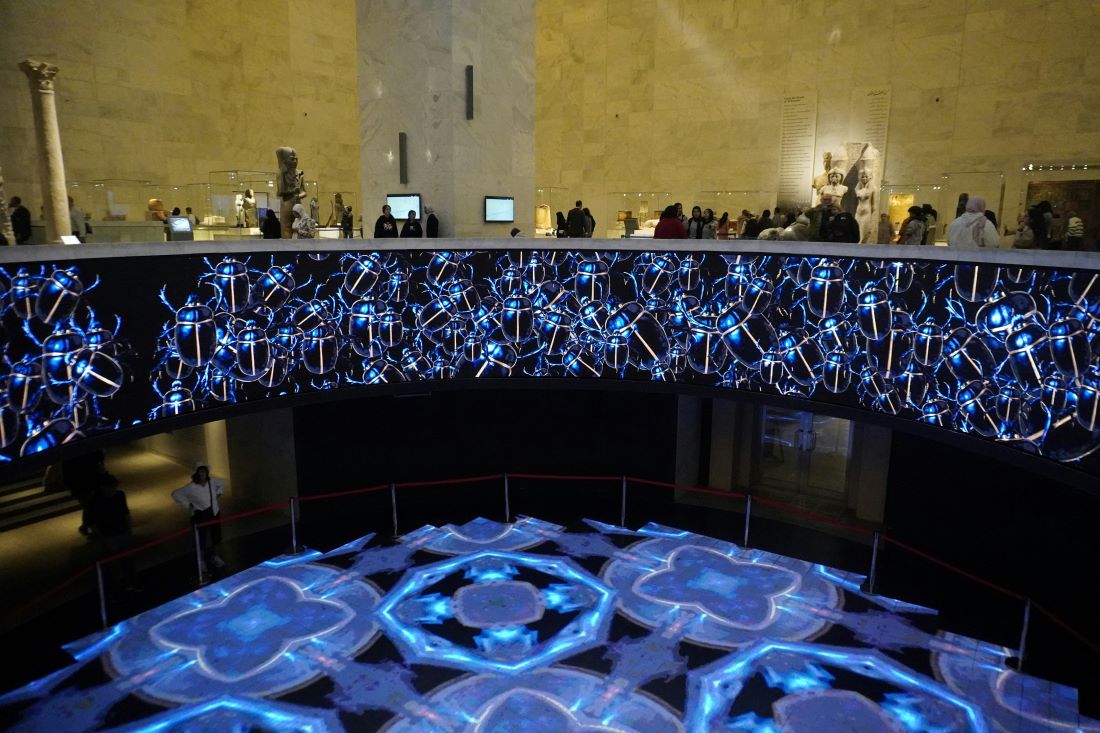
Behind the curved advertising screens in New York’s Times Square, the cylindrical information pillars in Las Vegas hotels, and the custom logo displays in Silicon Valley tech showrooms lies a technology revolutionizing traditional display forms—flexible LED screens. These innovative products, known as “flexible LED modules,” are solving the critical pain point of traditional rigid LED screens being unable to adapt to irregularly shaped installation surfaces through their unique flexibility.
Traditional LED screens consist of rigid PCB boards and fixed casings. When encountering curved surfaces or corners, they either require costly corner-cutting processes or become unsuitable altogether, often leaving noticeable gaps at seams. Through core structural innovation, flexible LED displays achieve a breakthrough with a 120-degree free-folding capability. They can be easily molded into circular, ring-shaped, strip-shaped, or any other form—from circular decorative displays in retail stores to cylindrical information terminals in airports—completely breaking free from the constraints of flat displays.
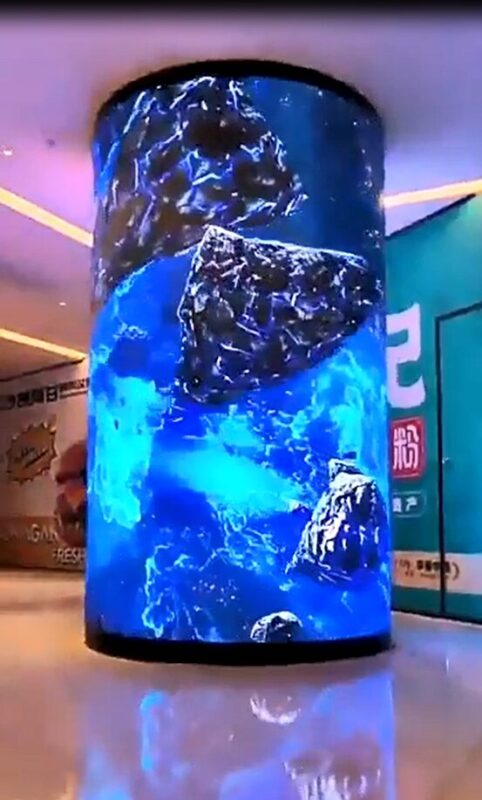
Table of Contents
ToggleHardcore Technology Analysis: Balancing Flexibility and Durability
The core advantages of flexible LED displays stem from five key technological innovations, forming the foundation for their adaptability to diverse American application environments:
Flexible PCB Substrate
Utilizing high-strength flexible insulating materials, combined with wave soldering processes and green solder mask oxygen barrier designs, it withstands repeated bending while resisting moisture oxidation. This addresses the challenge of “flexibility versus durability,” making it particularly suitable for outdoor applications in humid regions such as Florida.
Copper-Mounted LEDs
Premium LEDs paired with copper brackets eliminate rusting issues common in iron mounts during rain, snow, or high temperatures. This ensures sustained high brightness and precise color output in outdoor settings like Miami Beach.
Strong Magnetic Adhesion Design
A high-density magnet array enables seamless module splicing, improving curvature transition smoothness by 40%. This resolves the prominent seam issues common in traditional irregular-shaped screens, a critical advantage for curved display screens in high-end Los Angeles shopping malls.
Silicone Protective Casing
Combining an ultra-soft silicone sleeve with flexible PCB boards enables the screen to perfectly conform to steel structural substrates. During installations on curved exterior walls of Chicago skyscrapers, conformity exceeds 99%.
Gold-Plated Connectors and Silver-Containing Solder Paste
Gold-plated connectors resist environmental oxidation, while silver-containing solder paste enhances LED pin soldering strength. This dual safeguard ensures stable signal transmission and prevents component detachment risks during New York’s alternating winter cold and summer heat.
Current mainstream flexible LED screens span multiple specifications from P1.25 to P5. Among these, P2.5 and P3 models strike a balance between clarity and cost, making them the preferred choice for U.S. shopping malls, hotels, and similar venues.
Precise Market Adaptation: From Certification to Scenario Implementation
For users, selecting flexible LED screens requires focusing on two key dimensions: compliance and scenario adaptability.
Certification Standards
Flexible LED displays entering the U.S. market must pass UL8750 lighting safety certification and FCC Part 15 electromagnetic compatibility certification. In California, they must also comply with the Energy Efficiency Regulations concerning luminous efficacy and color temperature. Additionally, outdoor applications are advised to obtain Energy Star certification, which is not only a mandatory requirement for government project bids but also reduces long-term operating costs.
Application Perspectives
Flexible LED displays have penetrated multiple sectors across the U.S.:
- Commercial Retail: Luxury boutiques on New York’s Fifth Avenue utilize circular flexible displays to showcase new arrivals. The 360-degree viewing experience boosted foot traffic by 27%
- Transportation Hubs: Atlanta Airport’s cylindrical information displays adapt to pillar structures through flexible design, updating flight information 0.3 seconds faster than traditional screens
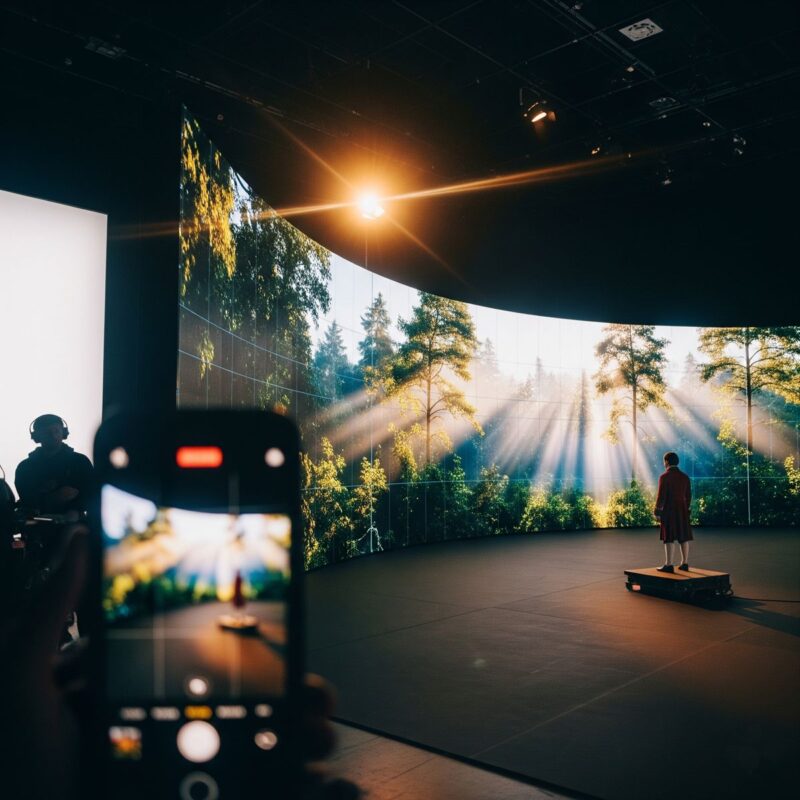
- Cultural Tourism & Entertainment: Las Vegas casino arched stage screens leverage 120-degree curvature to create immersive visuals, achieving 92% audience satisfaction
- Smart Cockpits: At the Detroit Auto Show, concept vehicles featured flexible displays seamlessly integrated with curved interiors, echoing SID 2025’s automotive display innovation trends
Practical Selection & Maintenance Guide: Avoiding Common Pitfalls
Three Key Selection Factors
-
Precision Matching: For indoor exhibition halls, choose P1.5-P2 models to maintain image detail at viewing distances under 3 meters. Outdoor billboards benefit from P4-P5 models, balancing clarity and glare resistance
-
Environmental Adaptation: Regions with high rainfall, like Florida and Hawaii, require products with IP65 or higher protection ratings. Cold climates such as Chicago and Minneapolis should confirm that the screen’s minimum operating temperature does not exceed -20°C
-
Installation Requirements: Curved installations with radii under 50cm require “fully flexible” modules. “Semi-flexible” modules can reduce costs for larger radii
Installation and Maintenance Prohibitions
- Strictly avoid exceeding the manufacturer’s minimum bending radius (typically 10-30cm, depending on specifications). Excessive bending causes PCB circuit breaks, increasing repair costs by 60%
- Outdoor installations require a 5cm ventilation gap to prevent black screen failures in high-temperature regions like Arizona
- Avoid corrosive solvents like alcohol during cleaning. Use a slightly damp microfiber cloth to prevent silicone casing degradation
- Regularly inspect gold-plated connectors. Coastal areas require quarterly cleaning; inland regions may extend intervals to six months
Market Trends: Flexible Displays Redefining Industry Landscape
According to QYResearch data, the global flexible display market is growing at a CAGR of 20.7%. North America, driven by robust commercial display demand, ranks among the fastest-growing markets. As technology matures, flexible LED screen prices have dropped 40% compared to three years ago, offering a cost-performance advantage that surpasses traditional custom-shaped screen manufacturing solutions. At the 2025 SID Display Week in the U.S., hybrid products integrating flexible displays with Micro-LED and hidden display technologies debuted, signaling future breakthroughs in high-end applications like medical imaging and smart wearables.
For American enterprises, flexible LED screens are no longer merely display devices but innovative tools for enhancing space utilization and reinforcing brand identity. From New York’s financial hubs to Los Angeles’ tech campuses, this “malleable” display technology is reshaping the visual expression of commercial spaces.